Download

Applications of Self-Drilling Anchor Bolts in Tunnel Engineering for Complex Geology
Time:2026-01-24From:sinorock View:
In tunnel engineering, under unfavorable geological conditions such as weak surrounding rocks, fault zones, and water-rich strata, traditional support methods often face challenges like difficulty in drilling, untimely support, and poor anchoring performance, which threaten construction safety and progress. The self-drilling anchor bolt technology integrates the drilling, grouting pipe, and rock bolt into one, providing an efficient, reliable, and highly adaptable active support solution for modern tunnel engineering.
1. Complex Geologies in Tunnel Engineering
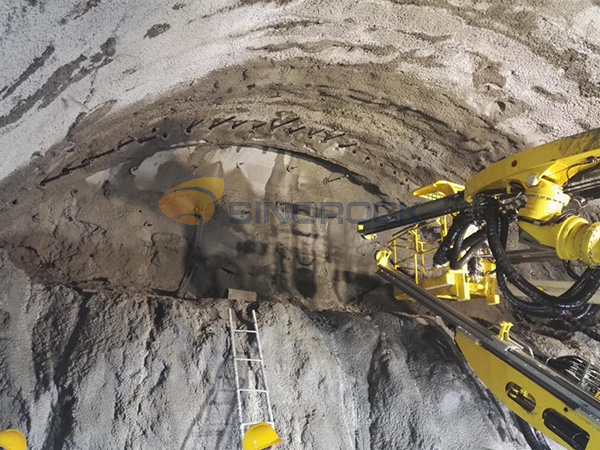
Weak and Fragmented Surrounding Rock: Such as weathered rock layers or fault zones, which have poor self-stability and are prone to collapse after excavation.
Sand and Gravel Strata or Backfill Soil: Loose structure, where conventional drilling methods cannot form proper holes.
Quick Support Situations: Such as advanced support at the tunnel face or emergency rescue, where support materials need to be rapidly installed and take effect immediately.
Water-Rich Strata: Groundwater infiltration not only erodes the rock but also causes conventional cement grout to wash away, leading to anchoring failure.
In these situations, the alloy drill bit of the self-drilling anchor bolt can efficiently penetrate the rock, while the hollow bolt body provides anchoring support during drilling. The grout seeps into the surrounding rock, reinforcing it and forming a high-strength anchor.
2. Core Application Scenarios
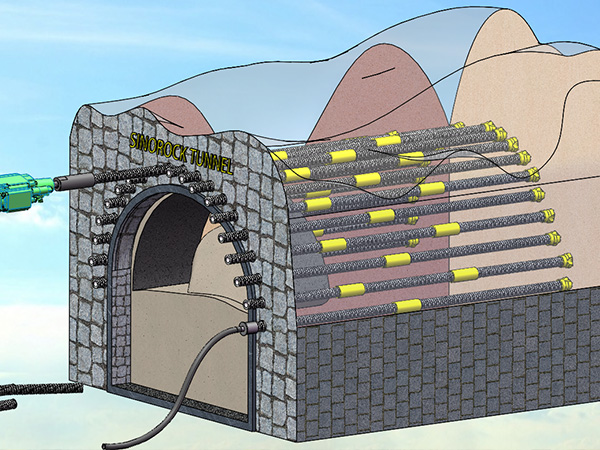
Self-drilling anchor bolts are applied across key stages of tunnel construction:
2.1 Tunnel Pre-Reinforcement: Advanced Pipe Roof Support
Pre-reinforcement of weak surrounding rock at the arch area before tunnel excavation is crucial for preventing collapse. Self-drilling pipe roof systems can replace traditional pipe roofs in a variety of easily collapsible formations. They are drilled into the surrounding rock along the excavation contour with a certain outward angle and form an arched reinforcement zone via grouting. Compared to traditional pipe roofs, this method offers faster construction speed and a more controllable reinforcement range.
2.2 Tunnel Initial Support: System Anchor Bolts
As part of the initial support after tunnel excavation, self-drilling anchor bolts quickly form a collaborative load-bearing structure with shotcrete and steel arches. In situations requiring fast closure of surrounding rock, they immediately provide anchoring force and effectively control early deformation of the surrounding rock. For permanent support requiring full-length bonding and high-pressure grouting, self-drilling anchor bolts are an ideal choice.
2.3 Treatment of Special Areas
Fault Zones: In such strata, self-drilling anchor bolts can implement advanced deep-hole grouting. The grout is injected through the bolt body and diffuses, bonding the fragmented rock into a whole.
Water-Rich Strata: Using controlled grouts (such as dual-liquid fast-setting grouts), self-drilling anchor bolts can form a water barrier and reinforce the strata, effectively sealing water channels.
Tunnel Entrance Slope: Strengthening the entrance slope to ensure the safety of the tunnel entry.
2.4 Existing Tunnel Repair
For operational tunnels suffering from voids behind the lining, water leakage, or structural cracks, self-drilling anchor bolts can conduct precise radial grouting reinforcement, filling voids, strengthening loose surrounding rock, and restoring the structural stress system, offering an efficient repair solution.
3. Key Technical Considerations
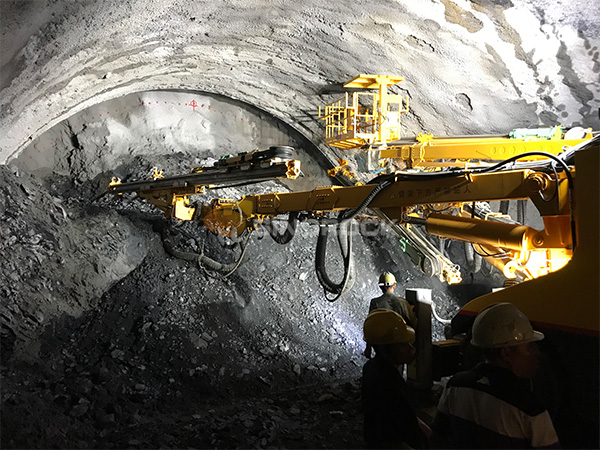
To ensure the optimal performance of self-drilling anchor bolts in tunnel engineering, the following key aspects must be strictly controlled:
3.1 Selection of Bolt and Drill Bit
The drill bit (such as alloy or full-steel) and rock bolt diameter (typically Φ25-76mm) and thread type (R-type or T-type) should be chosen based on the rock formation hardness (e.g., uniaxial compressive strength of the rock) and abrasiveness.
3.2 Grouting Process
Grout: Typically, a cement slurry with a water-cement ratio of 0.4-0.5:1 is used, and additives like accelerators or expanders are added as needed. In water-rich strata, a dual-liquid grout of cement and water glass is used.
Grouting Procedure: Drill to the designed depth → Clean the hole → Pressure grouting to the hole mouth, with the grouting pressure adjusted according to the geological conditions (typically 0.5-2 MPa) to ensure effective diffusion.
Hole Accuracy Control: Strictly control the location, angle, and depth of the holes to meet design requirements, which is essential for ensuring uniform load distribution in the support system.
3.3 Quality Inspection
Process Monitoring: Record the drilling depth, grouting pressure, and grout consumption for each rock bolt.
Final Inspection: Conduct pull-out tests according to standards to verify whether the anchoring force reaches the design value (typically ≥100 kN or according to specific design).
4. Case Studies
4.1 MOHMAND Hydroelectric Power Station, Pakistan
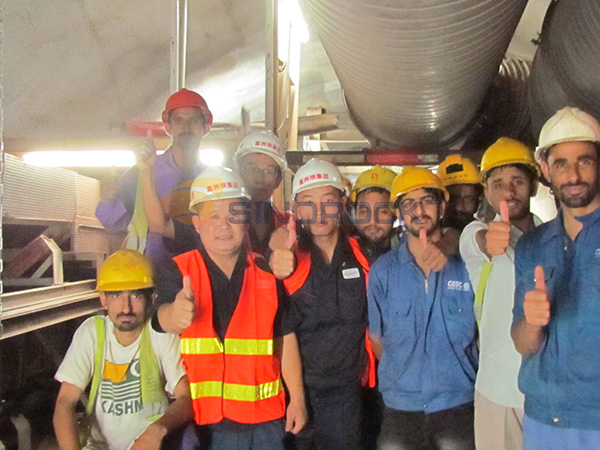
Problem: The dam foundation and surrounding rock in the tunnel are primarily composed of sand, gravel, and alluvial soil, which are highly weathered. Conventional drilling methods often result in hole collapse, making it impractical to use steel rebar anchor bolts. Additionally, conventional pipe drilling methods were inefficient and could not meet the project timeline.
Solution: Based on the complex geology and tight project timeline, R32N*4-meter hot-dip galvanized self-drilling hollow anchor bolts with a cross-alloy drill bit were used. The drill diameter was 51mm, with a drilling depth of 8m per hole, and each pair of anchor bolts was connected with a hot-dip galvanized coupling.
Results: The project successfully used self-drilling hollow anchor bars to address the support challenges in unstable strata. This method combined drilling, grouting, and anchoring, significantly reducing construction time and cost. The drilling time per hole was around 16-30 minutes, with efficiency higher than casing construction. Compared to traditional methods, this solution reduced costs by approximately 20-30%.
4.2 Zhenwan High-Speed Railway, Badong Tunnel, China
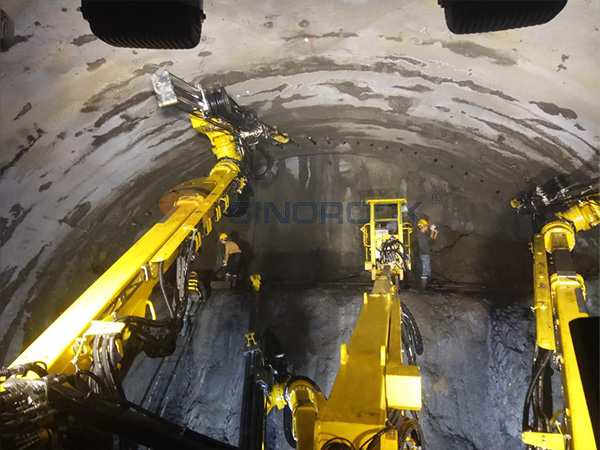
Problem: The Badong Tunnel traverses complex geology, including landslides, rock piles, and coal strata, with some V-class surrounding rock composed of carbonaceous shale. The face rock is highly fractured with developed joint fissures, leading to severe water seepage.
Solution: Self-drilling anchor bolts were used as advanced pipe roof support, replacing traditional steel pipe roofs. The construction followed a three-stage method, with each ring at the tunnel face having 28 holes, 400mm spacing between holes, 15m hole depth, and drilling at a 1-3° upward angle. The hole diameter was 76mm, and each hole was fitted with an R51 hollow anchor bar.
Results: The use of self-drilling hollow anchor bolts instead of traditional steel pipe roofs provided excellent support in I-V class surrounding rock. Drilling speed was about 1-2m/min, and the use of a three-arm rock drill increased efficiency.
5. Conclusion
The self-drilling anchor bolt technology offers high adaptability and excellent anchoring quality for complex geological conditions, improving the overall efficiency and safety of tunnel construction. With advancements in higher-strength, corrosion-resistant rods and grouting materials, the performance boundaries of self-drilling anchor bolts continue to expand. Incorporating self-drilling anchor bolts into core support solutions for tunnel projects facing challenging geological conditions is undoubtedly a strategic choice to mitigate risks and ensure success.
latest news
-
- Mine Support and Stabilization Technology: Self-Drilling Anchor Bolt Systems
- Time:2026-04-23From:This Site
- Professional mine support solutions integrating drilling, pipe roof processes, and self-drilling anchors to ensure stable, safe, and efficient operations for both underground and open-pit mines.
- View details
-
- Self-Drilling Anchor Bolt Systems in Railway Tunnels: Applications and Standards
- Time:2026-04-21From:This Site
- Explore the applications and international standards of self-drilling anchor bolt systems in railway tunnels. Learn how they enhance slope, tunnel, and bridge stability for safer railway infrastructure.
- View details
-
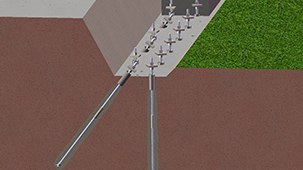
- Self-Drilling Anchor Bolts for Micropiles: Complete Geotechnical Engineering Guide
- Time:2026-04-18From:This Site
- Explore the benefits of SDA bolt micropiles for constrained construction sites, complex geology, and rapid installation. Case studies and practical guidelines included.
- View details
-
- Sinorock 2025 Quality Month | Strengthening Quality Foundations, Empowering Product Excellence
- Time:2025-08-13From:This Site
- Sinorock’s 2025 Quality Month, themed “Strengthening Quality Foundations, Empowering Product Excellence,” successfully concluded, reinforcing our commitment to superior product quality.
- View details
-
- Sinorock Safety Month 2025 | Everyone Speaks Safety, Everyone Can Respond
- Time:2025-07-03From:This Site
- Sinorock Safety Month 2025, centered on the theme "Everyone Speaks Safety, Everyone Can Respond - Spot Workplace Hazards," has wrapped up successfully!
- View details
-
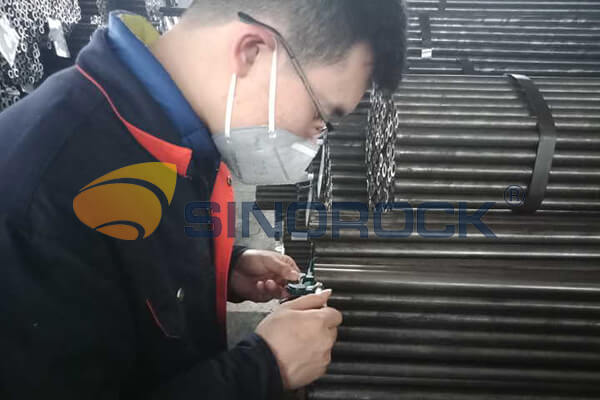
- Quality Control: the Vital Factor of A SDA Bolt Factory
- Time:2025-01-09From:This Site
- Sinorock’s comprehensive quality control system, from supplier management to outgoing inspections, ensuring the highest standards for self-drilling anchor bolts in construction.
- View details
-
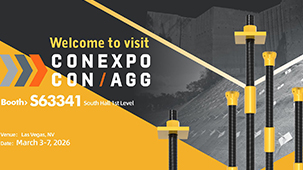
- Sinorock Invites You to Visit Us at CONEXPO-CON/AGG
- Time:2026-02-14From:This Site
- Sinorock Invites You to Explore Proven Self-Drilling Anchor Bolt Solutions at CONEXPO-CON/AGG –S63341.South Hall 1st Level
- View details
-
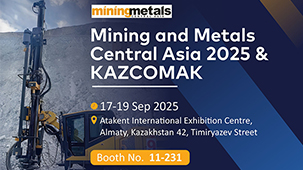
- SINOROCK to Showcase Innovative Mining Solutions at Mining and Metals Central Asia 2025
- Time:2025-09-09From:This Site
- We are pleased to share that SINOROCK will participate in the Mining and Metals Central Asia 2025, taking place from September 17 to 19 at the Atakent International Exhibition Centre in Almaty, Kazakhstan. You can find us at Booth 11-231.
- View details
-
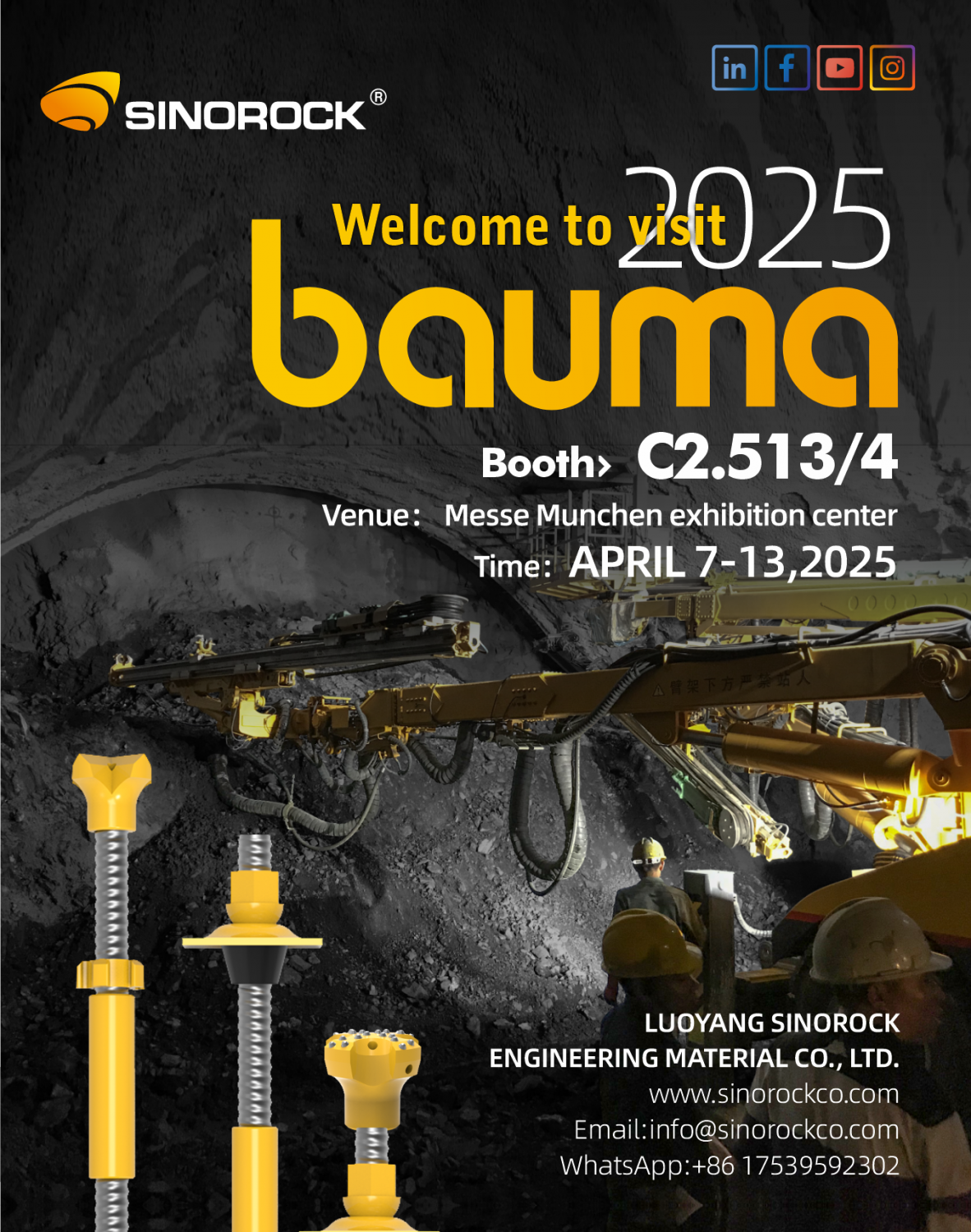
- Sinorock Invites You to Explore Proven Self-Drilling Anchor Bolt Solutions at bauma 2025
- Time:2025-03-07From:This Site
- From April 7–13, 2025, explore Sinorock’s Self-drilling anchor bolt solution at Booth C2.513/4 in Hall C2 of the Messe München Exhibition Center (Munich, Germany).
- View details