Download

Do Self-Drilling Anchor Bolts Comply with Railway Standards? A Technical Overview
Time:2026-01-21From:sinorock View:
In the railway construction industry, ensuring the stability and safety of infrastructure is paramount. One critical component that guarantees the strength and longevity of railway structures is the rock bolt. These rock bolts must meet stringent international standards to ensure that railway systems function efficiently under diverse environmental and geological conditions. With the advancement of technology, self-drilling anchor bolts have emerged as a viable alternative, offering several advantages over traditional methods. This article explores whether self-drilling anchor bolts comply with global railway standards and their role in modern infrastructure.
1. Requirements for Anchor Bolts in Global Railway Standards
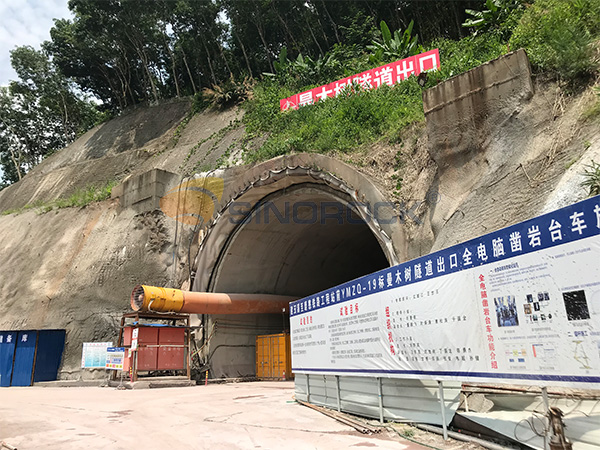
Anchor bolt technology is crucial for ensuring the safety, stability, and long-term operation of railway infrastructure. Both national and international railway organizations have strict standards and requirements for anchor bolts used in railway engineering. These standards primarily cover the following aspects:
1.1 Anchor Bolt Strength and Load Capacity
Anchor bolts used in railway construction need to have sufficient strength and load-bearing capacity to withstand the loads imposed by the railway structures and the external geological and environmental pressures. The key requirements typically include:
Tensile Strength: The anchor bolts must withstand the tensile forces arising from ground pressure, structural loads, or other external factors.
Shear Strength: The bolts must also handle the shear stress caused by lateral forces.
Corrosion Resistance: Railway construction often places anchor bolts in soil and groundwater environments, requiring high corrosion resistance to ensure durability.
1.2 Adaptability to Construction Environment
Railway construction often encounters complex geological conditions, such as soft soils, loose sand layers, and fractured rock zones. The anchor bolts need to perform well in these varying geological environments. Furthermore, the installation methods must align with the demands for quick construction cycles and efficient operations.
1.3 Safety and Stability
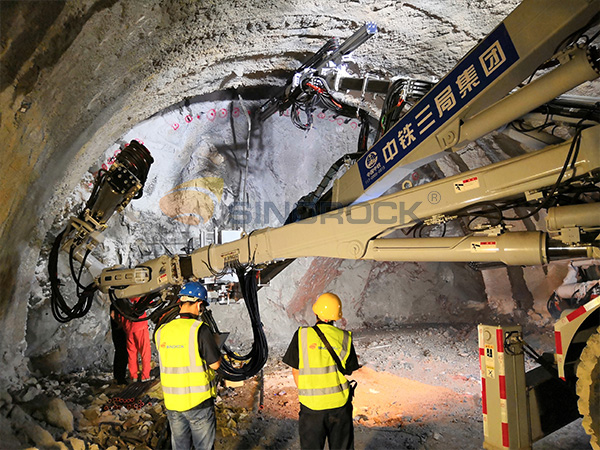
Railway structures must maintain long-term stability for safe and reliable operation. The safety of anchor bolts directly impacts the stability of tunnel, bridge, and slope structures. The design and installation of anchor bolts must meet the following standards:
Safety Factor: The design strength of anchor bolts must provide a sufficient safety margin in all operational conditions.
Long-Term Stability: The bolts need to resist fatigue and deformation over time, especially in railway environments subject to frequent vibrations.
1.4 Environmental Protection and Construction Efficiency
As environmental regulations become stricter, anchor bolt technologies must also consider their environmental impact. The construction process should minimize pollution and reduce damage to the environment. Construction efficiency is another important requirement, as railway projects must be completed promptly to maintain progress.
1.5 Materials and Processes Compliant with International Standards
Many countries and regions refer to international standards for railway construction, particularly UIC (International Union of Railways) and European Standards (EN). These standards include specifications for the materials, specifications, installation accuracy, and construction methods for anchor bolts. Typically, anchor bolts must be made from high-strength steel that meets ISO or EN standards, ensuring installation precision and construction quality.
2. Do Self-Drilling Anchor Bolts Meet Railway Standards?
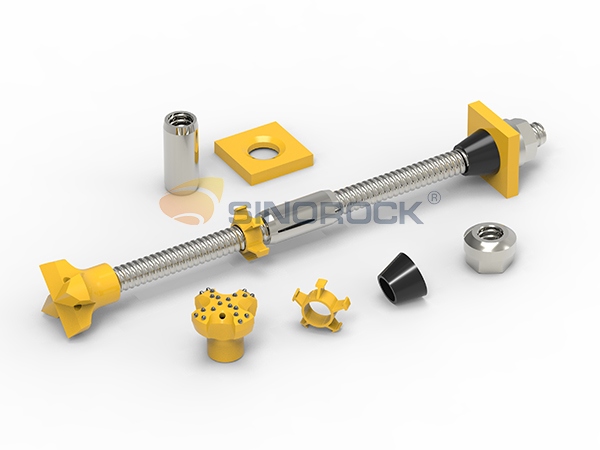
Self-drilling anchor bolts meet many of the requirements outlined in global railway standards, particularly in the following areas:
2.1 Strength and Load Capacity
Self-drilling anchor bolts are generally made from high-strength steel and, due to their design, which allows for simultaneous drilling and grouting, they can offer superior load-bearing capacity in soft soils and complex geological conditions. By combining drilling and grouting, self-drilling anchor bolts achieve high tensile, shear, and compressive strength, ensuring they meet the strength and load-bearing requirements for railway construction.
2.2 Adaptability to Construction Environment
Self-drilling anchor bolts are highly adaptable to a wide range of geological conditions, including soft soils, fractured rock zones, and groundwater-rich areas. This adaptability aligns well with the geological challenges often faced in railway engineering, making self-drilling anchor bolts a reliable solution for diverse construction environments.
2.3 Safety and Stability
The design of self-drilling anchor bolts ensures high stability and resistance to deformation over time. The dual mechanism of drilling and grouting makes self-drilling anchor bolts resistant to fatigue and deformation, ensuring the long-term safety and stability of the structure. This capability meets the strict safety and stability standards required for railway engineering.
2.4 Construction Efficiency
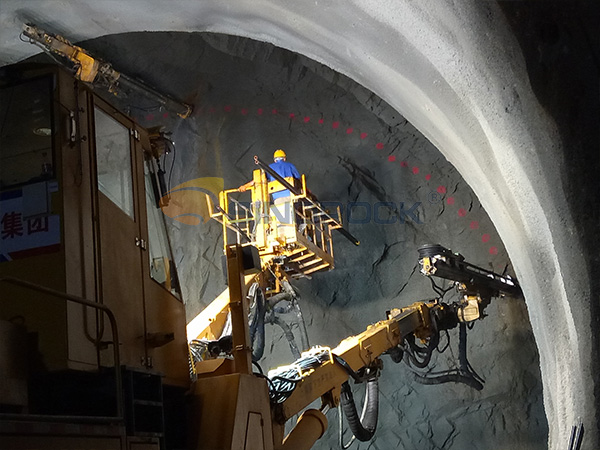
Self-drilling anchor bolts have the advantage of faster installation compared to traditional methods. The integrated drilling and grouting process significantly reduces construction time, helping to meet the efficiency requirements of large-scale railway projects. The high level of automation in the installation process also reduces human error, improving installation accuracy and overall project efficiency.
2.5 Environmental Friendliness
The construction of self-drilling anchor bolts generates less environmental impact compared to traditional methods. The injection of grout during installation helps minimize the disturbance to the surrounding environment, reducing noise, vibration, and soil disturbance. This environmentally friendly approach aligns with modern railway construction's focus on reducing environmental impact.
2.6 Compliance with International Standards
Self-drilling anchor bolts meet ISO, EN, and UIC standards in terms of materials, design, and construction methods. The use of high-strength steel and precise installation methods ensures that these anchor bolts comply with international standards for railway construction, making them suitable for use in various global railway projects.
3. Conclusion
Self-drilling anchor bolts not only meet the strict requirements of global railway standards but also excel in strength, load-bearing capacity, construction efficiency, safety, adaptability, and environmental impact. As the railway industry continues to expand, particularly in complex geological environments, self-drilling anchor bolts will play an increasingly important role as a reliable and efficient support technology, contributing to the safe and sustainable development of modern railway infrastructure.
latest news
-
- Do Self-Drilling Anchor Bolts Comply with Railway Standards? A Technical Overview
- Time:2026-01-21From:This Site
- Self-drilling anchor bolts meet the stringent requirements of global railway construction standards, exploring their advantages in meeting international standards such as UIC, EN, and ISO.
- View details
-
- Drilling and Anchoring Principles of Self-Drilling Micropiles
- Time:2026-01-20From:This Site
- Self-drilling micropiles integrate drilling, grouting, and reinforcement into one system. This article explores the drilling principles, anchoring mechanisms, and practical applications of micropiles.
- View details
-
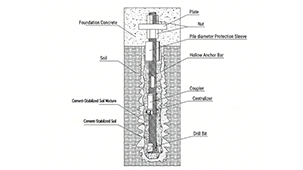
- Self-Drilling Micropiles: Introduction and Applications
- Time:2026-01-19From:This Site
- Self-drilling micropiles are an advanced geotechnical solution used for foundation reinforcement, slope stabilization, and geohazard mitigation. Combining drilling, grouting, and anchoring into a single process, these piles offer high efficiency, minimal environmental impact, and excellent adaptability to various soil conditions.
- View details
-
- Sinorock 2025 Quality Month | Strengthening Quality Foundations, Empowering Product Excellence
- Time:2025-08-13From:This Site
- Sinorock’s 2025 Quality Month, themed “Strengthening Quality Foundations, Empowering Product Excellence,” successfully concluded, reinforcing our commitment to superior product quality.
- View details
-
- Sinorock Safety Month 2025 | Everyone Speaks Safety, Everyone Can Respond
- Time:2025-07-03From:This Site
- Sinorock Safety Month 2025, centered on the theme "Everyone Speaks Safety, Everyone Can Respond - Spot Workplace Hazards," has wrapped up successfully!
- View details
-
- Quality Control: the Vital Factor of A SDA Bolt Factory
- Time:2025-01-09From:This Site
- Sinorock’s comprehensive quality control system, from supplier management to outgoing inspections, ensuring the highest standards for self-drilling anchor bolts in construction.
- View details
-
- SINOROCK to Showcase Innovative Mining Solutions at Mining and Metals Central Asia 2025
- Time:2025-09-09From:This Site
- We are pleased to share that SINOROCK will participate in the Mining and Metals Central Asia 2025, taking place from September 17 to 19 at the Atakent International Exhibition Centre in Almaty, Kazakhstan. You can find us at Booth 11-231.
- View details
-
- Sinorock Invites You to Explore Proven Self-Drilling Anchor Bolt Solutions at bauma 2025
- Time:2025-03-07From:This Site
- From April 7–13, 2025, explore Sinorock’s Self-drilling anchor bolt solution at Booth C2.513/4 in Hall C2 of the Messe München Exhibition Center (Munich, Germany).
- View details
-
.jpg)
- SINOROCK to Attend EXPOMINA PERÚ 2024 in Lima, Peru
- Time:2024-08-10From:This Site
- Sinorock to Attend EXPOMINA PERÚ 2024 in Lima, Peru
- View details