Download

Application of Self-Drilling Anchor Bolts in IV and V Surrounding Rock Tunnels
Time:2025-12-16From:sinorock View:
In modern tunnel engineering and underground space development, surrounding rock support is crucial for ensuring construction safety and structural stability. Particularly in Grade IV and V surrounding rock environments, traditional support methods face significant challenges due to characteristics like fragmented rock, well-developed joints, and poor self-stability. Self-drilling anchor bolts (SDA) have emerged as a cutting-edge solution, offering numerous advantages in these complex geological conditions. This article explores the technical principles, application benefits, and engineering practices of self-drilling anchor bolts in Grade IV and V surrounding rock environments.
Geological Characteristics and Support Challenges
Grade IV Surrounding Rock Characteristics
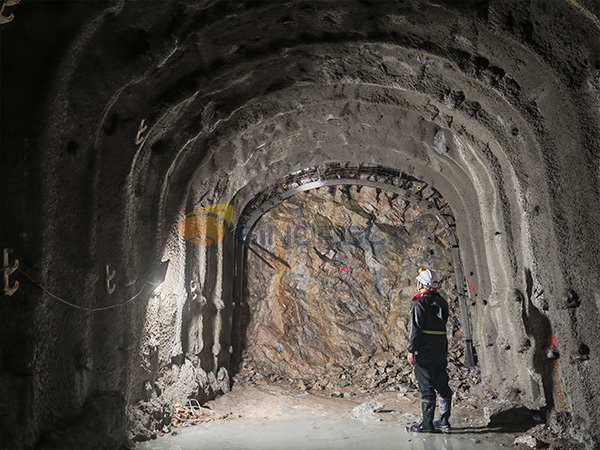
Grade IV surrounding rock is typically fragmented, with well-developed structural surfaces and poor rock integrity. Key features include:
Moderate to low rock strength
Well-developed joints and fractures
Blocky or shattered rock structure
Short self-stability, ranging from hours to a few days
These conditions make the surrounding rock prone to local collapses and deformations, requiring precise and timely support.
Grade V Surrounding Rock Characteristics
Grade V surrounding rock is classified as weak, highly fragmented, and extremely unstable. Key features include:
Severe fragmentation, gravelly or soil-like texture
Very low strength
Highly developed joint and fracture systems
Near-zero self-stability
In addition, high ground stress, groundwater pressure, and expansive formations complicate construction and pose substantial challenges to support systems.
Limitations of Traditional Support Methods
Traditional anchor bolt support systems struggle in Grade IV and V environments due to several limitations:
Pre-drilling challenges: In fractured rock, holes often collapse, making it difficult to grout and anchor effectively.
Complex construction process: Traditional methods require multiple steps (drilling, hole cleaning, anchor installation, and grouting), which can be slow and ineffective in environments with short self-stability.
Self-Drilling Anchor Bolts: Key Technical Principles
Structural Composition
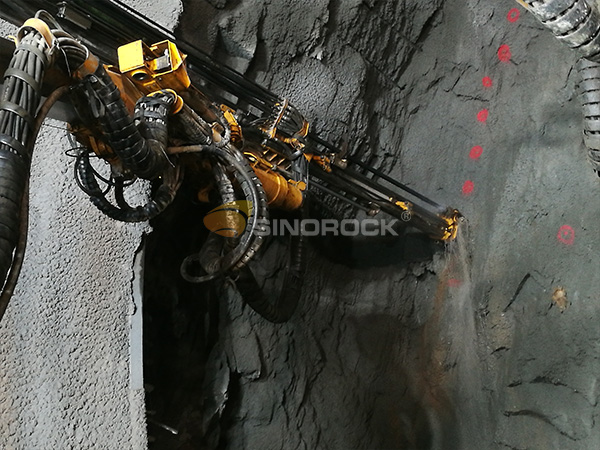
Self-drilling anchor bolts integrate drilling, grouting, and anchoring into one system. The system consists of:
Hollow drill rod (serving as both anchor body and grout channel)
Drill bit (breaking rock and guiding installation)
Grouting pipeline (for grout injection)
Anchoring section (providing support to surrounding rock)
Working Principle
The construction process involves:
Drilling: A specialized drilling machine rotates the hollow rod, breaking the rock and forming a hole.
Grouting: Once the desired depth is reached, water is pumped through the rod for cooling, followed by grout injection to fill the hole.
Anchoring: The grout solidifies, turning the rod into a permanent anchor, creating an integrated support system.
Technological Innovations
The integration of drilling, grouting, and anchoring eliminates procedural transitions and reduces construction time by over 50% compared to traditional methods. This innovation also helps prevent hole collapse in fractured rocks, making it ideal for unstable formations.
Advantages of Self-Drilling Anchor Bolts in Grade IV and V Environments
Rapid Response and Timely Support
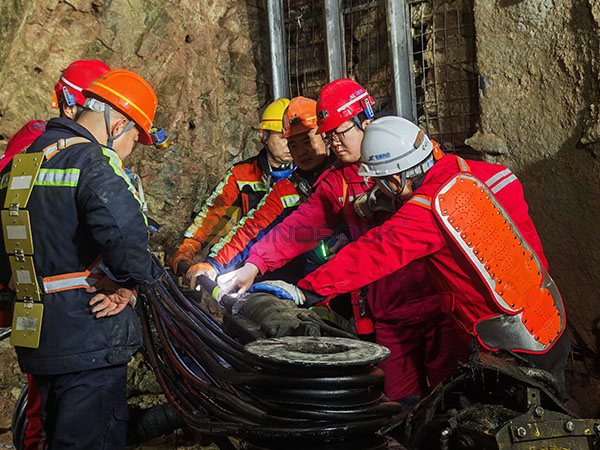
In Grade IV and V surrounding rock, quick stabilization is essential. Self-drilling anchor bolts allow immediate support after excavation, speeding up construction by 50% compared to traditional methods. This rapid response helps prevent rock deformation and collapse, crucial in short self-stability environments.
Strong Adaptability
Self-drilling anchor bolts are highly adaptable, effectively drilling and grouting through fragmented rock, weak interlayers, and water-rich formations. The system's ability to adjust drilling parameters ensures successful installation even in isolated or hard interlayers, making it ideal for complex geological conditions.
Reliable Anchoring Quality
Traditional anchor bolts often suffer from incomplete grouting, leading to weak anchoring. The hollow rod design of self-drilling anchor bolts ensures complete filling of the hole with grout, creating full-length bonding between the anchor and surrounding rock. Testing has shown that anchoring strength meets or exceeds design specifications, providing reliable support.
Minimal Disturbance to Surrounding Rock
Self-drilling anchor bolts use small-diameter drilling, minimizing damage to the surrounding rock structure. Additionally, the grouting process fills rock fissures, enhancing rock strength and improving its mechanical properties. This "drilling and grouting reinforcement" effect creates a more stable support system.
Engineering Case Studies
Mountain Tunnel Engineering
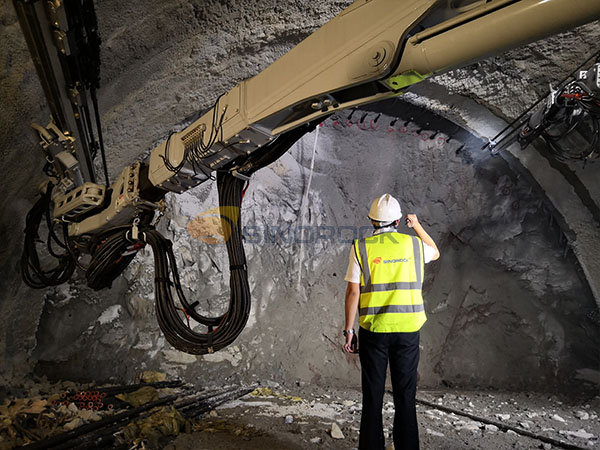
A highway tunnel project in a mountainous area passed through strata composed primarily of carbonaceous slate and shale, with surrounding rock grades ranging from IV to V. The surrounding rock exhibited poor self-stability after excavation, requiring immediate support. Self-drilling anchor bolts were used as the primary support method, combined with steel mesh and shotcrete.
Installation: Self-drilling anchor bolts were installed at lengths of 4-6 meters, spaced 1 meter apart in a staggered pattern.
Performance: Installation took only 15-20 minutes per bolt, significantly faster than the 40-50 minutes required for traditional bolts. The system effectively controlled surrounding rock deformation, keeping arch settlement and peripheral disturbance within design limits.
Mining Operations
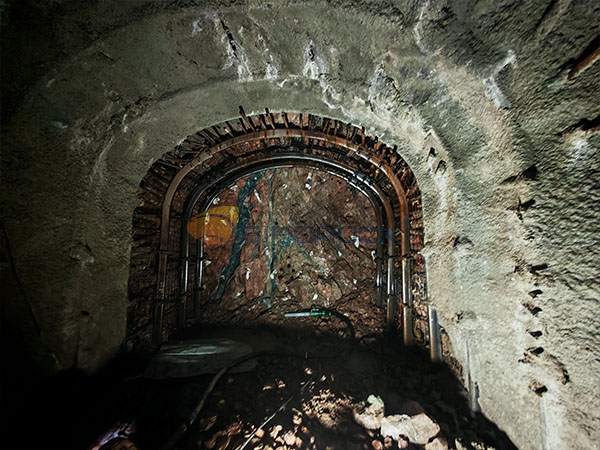
In the Grade V surrounding rock of a gold mine, self-drilling rock bolts were used to reinforce the tunnel roof. The mine employed R32 rock bolts measuring 3 meters in length, with grouting performed using rapid-setting resin. Following installation, tunnel stability significantly improved, accident rates decreased by 70%, and the shear strength of the rock bolts reached 200 kN—far exceeding the required strength.
Conclusion
Self-drilling anchor bolts provide a highly effective solution for supporting Grade IV and V surrounding rock. Their integrated construction process, rapid response, and strong adaptability address the unique challenges posed by fractured and weak rock. Extensive engineering practice has demonstrated that this technology improves both construction efficiency and safety, providing significant technical and economic benefits.
With ongoing advancements, the application of self-drilling anchor bolts will continue to expand, especially in underground engineering and slope reinforcement projects. For future projects in complex geological conditions, prioritizing the use of self-drilling anchor bolts is recommended for optimal results.
latest news
-
- Mine Support and Stabilization Technology: Self-Drilling Anchor Bolt Systems
- Time:2026-04-23From:This Site
- Professional mine support solutions integrating drilling, pipe roof processes, and self-drilling anchors to ensure stable, safe, and efficient operations for both underground and open-pit mines.
- View details
-
- Self-Drilling Anchor Bolt Systems in Railway Tunnels: Applications and Standards
- Time:2026-04-21From:This Site
- Explore the applications and international standards of self-drilling anchor bolt systems in railway tunnels. Learn how they enhance slope, tunnel, and bridge stability for safer railway infrastructure.
- View details
-
- Self-Drilling Anchor Bolts for Micropiles: Complete Geotechnical Engineering Guide
- Time:2026-04-18From:This Site
- Explore the benefits of SDA bolt micropiles for constrained construction sites, complex geology, and rapid installation. Case studies and practical guidelines included.
- View details
-
- Sinorock 2025 Quality Month | Strengthening Quality Foundations, Empowering Product Excellence
- Time:2025-08-13From:This Site
- Sinorock’s 2025 Quality Month, themed “Strengthening Quality Foundations, Empowering Product Excellence,” successfully concluded, reinforcing our commitment to superior product quality.
- View details
-
- Sinorock Safety Month 2025 | Everyone Speaks Safety, Everyone Can Respond
- Time:2025-07-03From:This Site
- Sinorock Safety Month 2025, centered on the theme "Everyone Speaks Safety, Everyone Can Respond - Spot Workplace Hazards," has wrapped up successfully!
- View details
-
- Quality Control: the Vital Factor of A SDA Bolt Factory
- Time:2025-01-09From:This Site
- Sinorock’s comprehensive quality control system, from supplier management to outgoing inspections, ensuring the highest standards for self-drilling anchor bolts in construction.
- View details
-
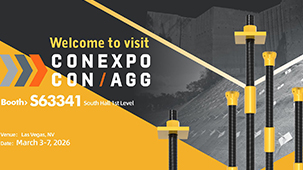
- Sinorock Invites You to Visit Us at CONEXPO-CON/AGG
- Time:2026-02-14From:This Site
- Sinorock Invites You to Explore Proven Self-Drilling Anchor Bolt Solutions at CONEXPO-CON/AGG –S63341.South Hall 1st Level
- View details
-
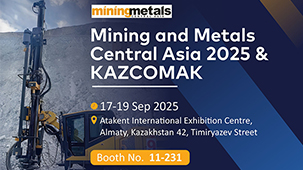
- SINOROCK to Showcase Innovative Mining Solutions at Mining and Metals Central Asia 2025
- Time:2025-09-09From:This Site
- We are pleased to share that SINOROCK will participate in the Mining and Metals Central Asia 2025, taking place from September 17 to 19 at the Atakent International Exhibition Centre in Almaty, Kazakhstan. You can find us at Booth 11-231.
- View details
-
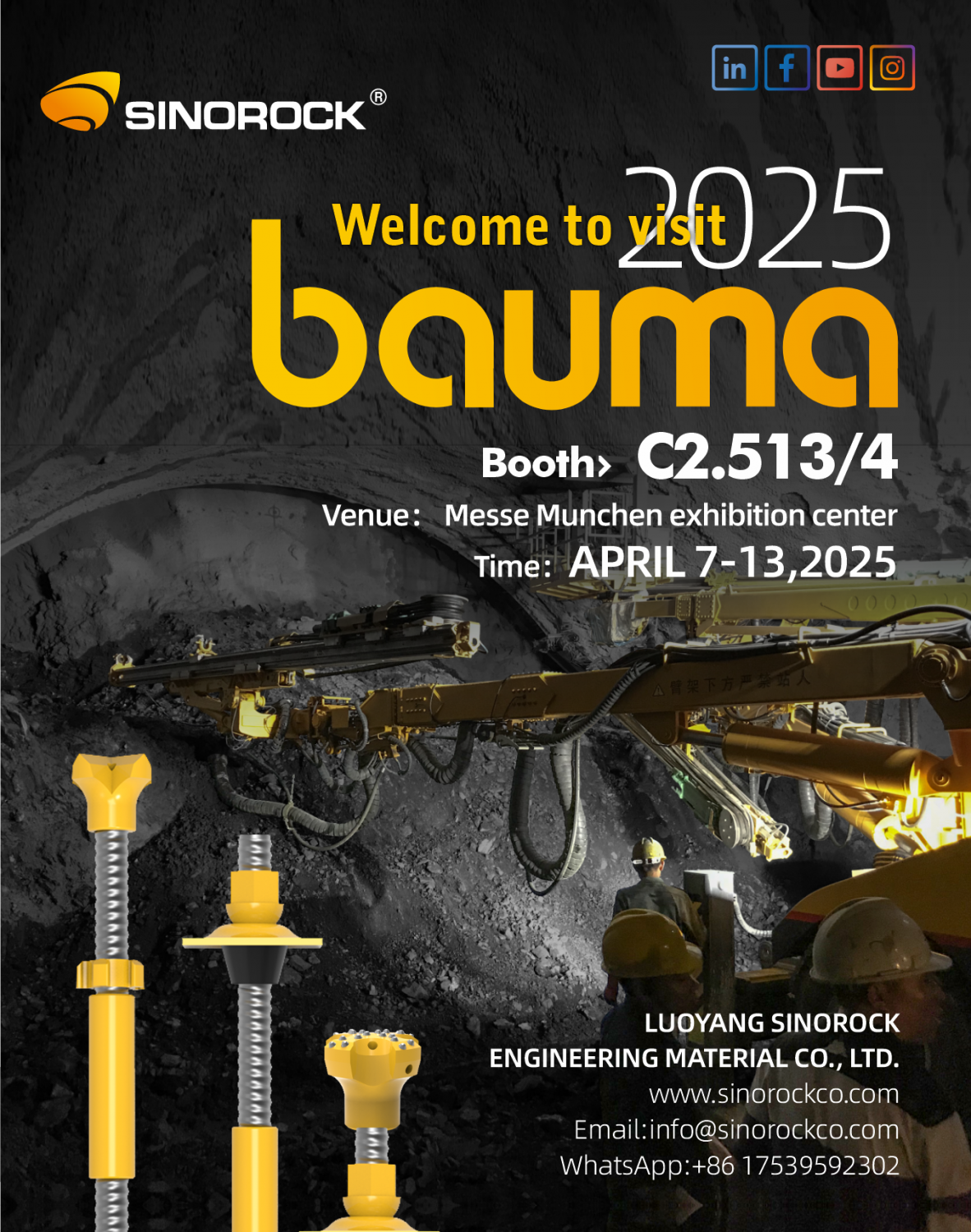
- Sinorock Invites You to Explore Proven Self-Drilling Anchor Bolt Solutions at bauma 2025
- Time:2025-03-07From:This Site
- From April 7–13, 2025, explore Sinorock’s Self-drilling anchor bolt solution at Booth C2.513/4 in Hall C2 of the Messe München Exhibition Center (Munich, Germany).
- View details