Download

Self-Drilling Anchor Bolt Systems in Railway Tunnels: Applications and Standards
Time:2026-04-21From:sinorock View:
Railway infrastructure often traverses challenging terrains, including slopes, cuttings, and tunnels. Ensuring the stability of these structures is critical for operational safety and long-term performance. Self-drilling anchor bolt systems offer high load-bearing capacity, fast installation, and adaptability to various ground conditions.
1. Applications of Self-Drilling Anchor Bolts in Railway Engineering
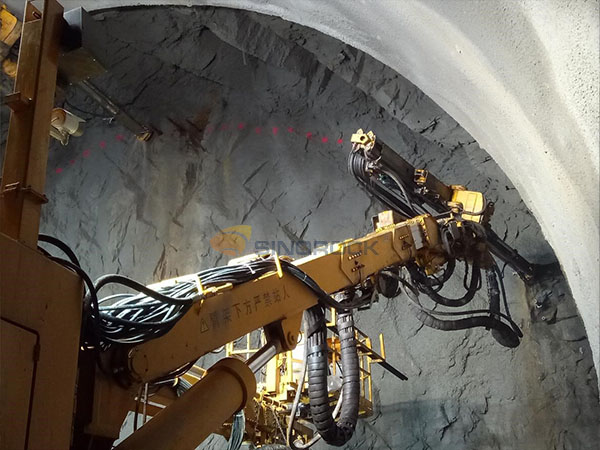
Self-drilling anchor bolts are primarily used to stabilize soil and weak rock, and their applications in railway engineering include:
1.1 Slope Stabilization of Loose Soils and Weak Rock
Self-drilling anchor bolts enhance the stability of slopes composed of loose soil, sand, or weathered rock. They are commonly used in conjunction with retaining structures, soil nails, or protective meshes to provide long-term slope support along railway cuttings and embankments.
1.2 Tunnel Excavation – Forepoling and Pipe Roof Support
In tunnel construction, self-drilling anchor bolts are widely applied in forepoling or self-drilling pipe roof systems. Anchors are installed to create a pre-supported arch in weak ground, improving tunnel stability during excavation. This technique is particularly effective in soft soils or fractured rock zones, ensuring safer and more controlled tunnel construction.
1.3 Bridge Abutments and Structural Reinforcement
Self-drilling anchor bolts are also used to improve the stability of bridge abutments and other structures founded on weak soil or rock. Anchors enhance the load-bearing capacity of the foundation and provide additional reinforcement for structural integrity.
2. International Standards for Self-Drilling Anchor Bolts in Railway Engineering
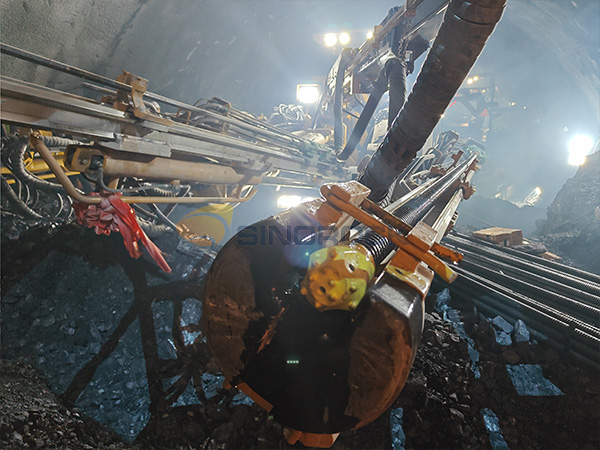
Globally, the self-drilling anchor bolt technical standards system is centered on European EN standards, with various countries developing complementary frameworks.
2.1 Europe
Europe represents the origin of anchor technology and the most advanced design concepts. Key standards include EN 1997-1:2004 for design, EN 1537:2013 for execution, EN ISO 22477-5 for testing preparation, and national annexes determined by CEN member states. EN 14490:2006 specifies the performance grades, tensile strength, torque requirements, steel materials, and corrosion protection for self-drilling rock anchor bolts. High-strength steel such as S500 or S650 is commonly used, with diameters ranging from 20 to 32 mm, installation torque verified through torque-tension testing, and design loads typically 300–400 kN.
2.2 Germany
DIN 4472 and DIN 8036 focus on anchor bolt design, installation safety, and mechanical performance. The DIN 21521 series specifies general rules, testing, and inspection for steel anchor bolts used in mines and tunnels. German standards have influenced EN standards, and their rigor is highly regarded internationally.
2.3 United Kingdom
BS 8081 emphasizes detailed testing, including water seepage tests, drop grouting, and pressure grouting, to evaluate hole stability and determine whether pre-grouting is necessary.
2.4 United States
AREMA (American Railway Engineering and Maintenance-of-Way Association) standards emphasize construction safety, material performance, and acceptance testing. Self-drilling anchor bolts must meet AREMA specifications, supplemented by ASTM and PTI guidelines for material and testing standards.
2.5 Japan
JIS M2506 specifies rock anchor bolts and components for shafts, tunnels, underground chambers, and excavation slope stabilization. JIS G 3101 high-strength steel is used, with tensile strengths of 490–590 MPa; threaded rods are galvanized or epoxy-coated, with standard diameters of 22–32 mm.
Despite differences, all standards share high requirements for material performance, construction quality, and testing, providing a solid technical foundation for global railway self-drilling anchor bolt applications.
3. Requirements for Self-Drilling Anchor Bolt Manufacturers
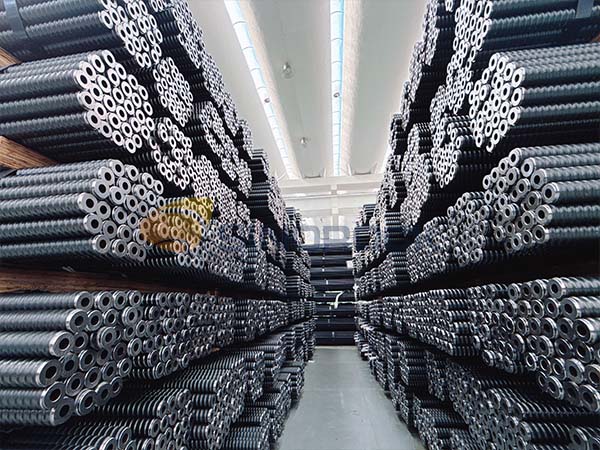
As applications expand, manufacturers are increasingly required to meet international quality and technical standards:
Quality Management Certification: ISO 9001 is a baseline certification, demonstrating the ability to provide stable and compliant products.
International Product Certification: CE certification is required for EU market access; industry-specific certifications like Coal Safety Certification are also recognized.
Quality Control Capability: Manufacturers implement comprehensive quality systems covering supplier management, process control, and final inspection. Laboratory testing includes tensile tests, impact tests, spectrometry, and dimensional inspections.
Technical R&D Strength: Leading companies actively participate in standard development, hold patents, and maintain global service capacity. Continuous innovation supports complex geological projects and the maintenance of existing railway lines.
4. Sinorock Compliance with Standards
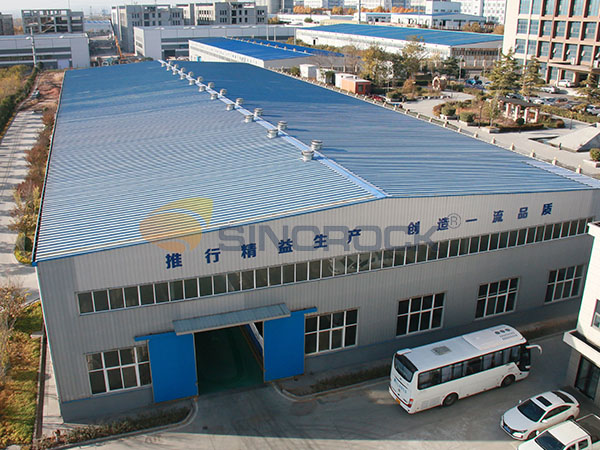
Sinorock demonstrates strong compliance with both international and domestic standards:
Certifications: ISO 9001. SGS, and CE-certified products.
Thread Types and Sizes: R-type threads conform to ISO 10208. T-type threads follow enterprise standards; sizes range from R25–R51 and T30–T200.
Materials: 40Cr, S460. stainless steel and carbon steel, suitable for diverse geological conditions.
Applications: Widely used in railways, tunnels, mines, hydropower projects, dams, and bridge foundations, with exports to over 70 countries.
Quality Control: From raw materials into the factory, production processing to finished product/out of the factory, systematic inspection specifications and sampling proportions are implemented to ensure quality control.
5. Conclusion
Self-drilling anchor bolts, as an integrated drilling, grouting, and anchoring solution, are indispensable for tunnel forepoling, slope reinforcement, roadbed stabilization, and maintenance of existing railway lines. Their integrated design and ease of construction provide advantages in weak rock and fractured strata. International and Chinese standards, though varying in focus, share high requirements for material performance, construction quality, and safety, ensuring the reliability of self-drilling anchor bolt applications.
latest news
-
- Mine Support and Stabilization Technology: Self-Drilling Anchor Bolt Systems
- Time:2026-04-23From:This Site
- Professional mine support solutions integrating drilling, pipe roof processes, and self-drilling anchors to ensure stable, safe, and efficient operations for both underground and open-pit mines.
- View details
-
- Self-Drilling Anchor Bolt Systems in Railway Tunnels: Applications and Standards
- Time:2026-04-21From:This Site
- Explore the applications and international standards of self-drilling anchor bolt systems in railway tunnels. Learn how they enhance slope, tunnel, and bridge stability for safer railway infrastructure.
- View details
-
- Self-Drilling Anchor Bolts for Micropiles: Complete Geotechnical Engineering Guide
- Time:2026-04-18From:This Site
- Explore the benefits of SDA bolt micropiles for constrained construction sites, complex geology, and rapid installation. Case studies and practical guidelines included.
- View details
-
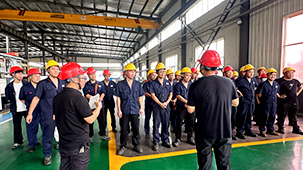
- Sinorock 2025 Quality Month | Strengthening Quality Foundations, Empowering Product Excellence
- Time:2025-08-13From:This Site
- Sinorock’s 2025 Quality Month, themed “Strengthening Quality Foundations, Empowering Product Excellence,” successfully concluded, reinforcing our commitment to superior product quality.
- View details
-
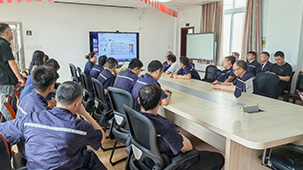
- Sinorock Safety Month 2025 | Everyone Speaks Safety, Everyone Can Respond
- Time:2025-07-03From:This Site
- Sinorock Safety Month 2025, centered on the theme "Everyone Speaks Safety, Everyone Can Respond - Spot Workplace Hazards," has wrapped up successfully!
- View details
-
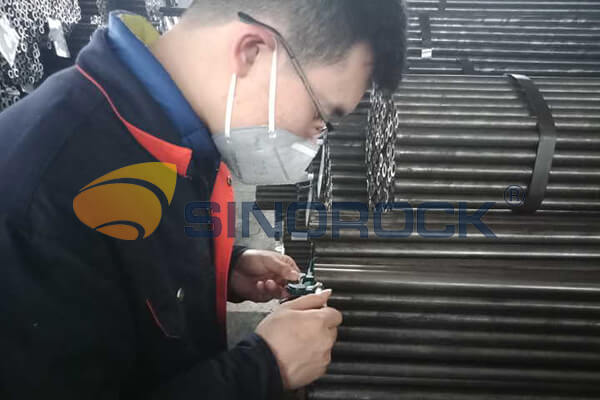
- Quality Control: the Vital Factor of A SDA Bolt Factory
- Time:2025-01-09From:This Site
- Sinorock’s comprehensive quality control system, from supplier management to outgoing inspections, ensuring the highest standards for self-drilling anchor bolts in construction.
- View details
-
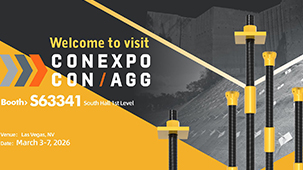
- Sinorock Invites You to Visit Us at CONEXPO-CON/AGG
- Time:2026-02-14From:This Site
- Sinorock Invites You to Explore Proven Self-Drilling Anchor Bolt Solutions at CONEXPO-CON/AGG –S63341.South Hall 1st Level
- View details
-
- SINOROCK to Showcase Innovative Mining Solutions at Mining and Metals Central Asia 2025
- Time:2025-09-09From:This Site
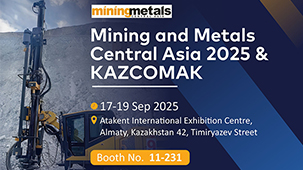
- We are pleased to share that SINOROCK will participate in the Mining and Metals Central Asia 2025, taking place from September 17 to 19 at the Atakent International Exhibition Centre in Almaty, Kazakhstan. You can find us at Booth 11-231.
- View details
-
- Sinorock Invites You to Explore Proven Self-Drilling Anchor Bolt Solutions at bauma 2025
- Time:2025-03-07From:This Site
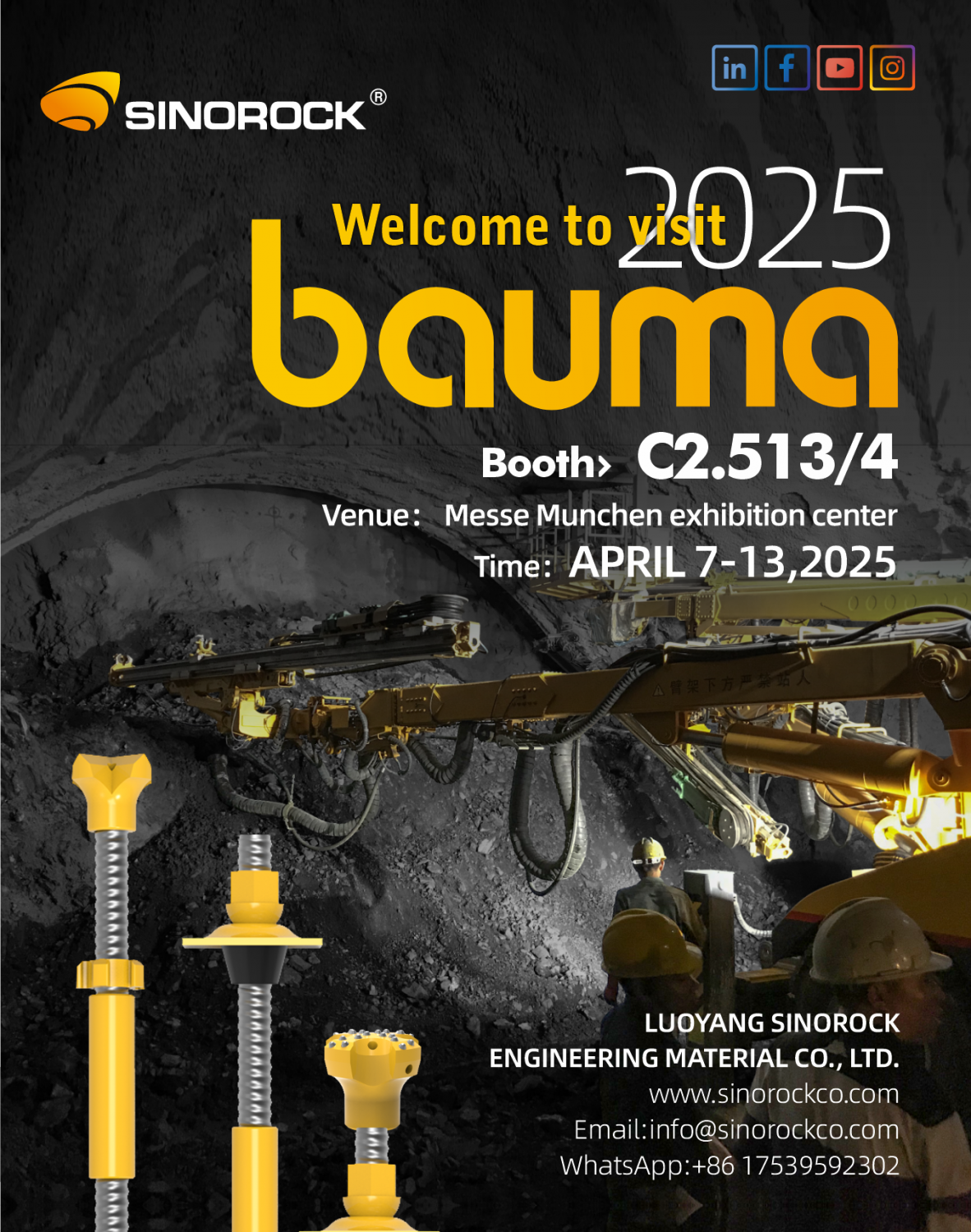
- From April 7–13, 2025, explore Sinorock’s Self-drilling anchor bolt solution at Booth C2.513/4 in Hall C2 of the Messe München Exhibition Center (Munich, Germany).
- View details